
Candidiasis: Causes, Symptoms, Effects, and Treatment


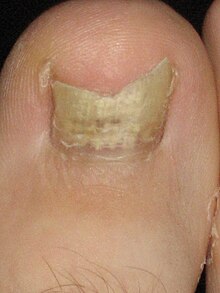
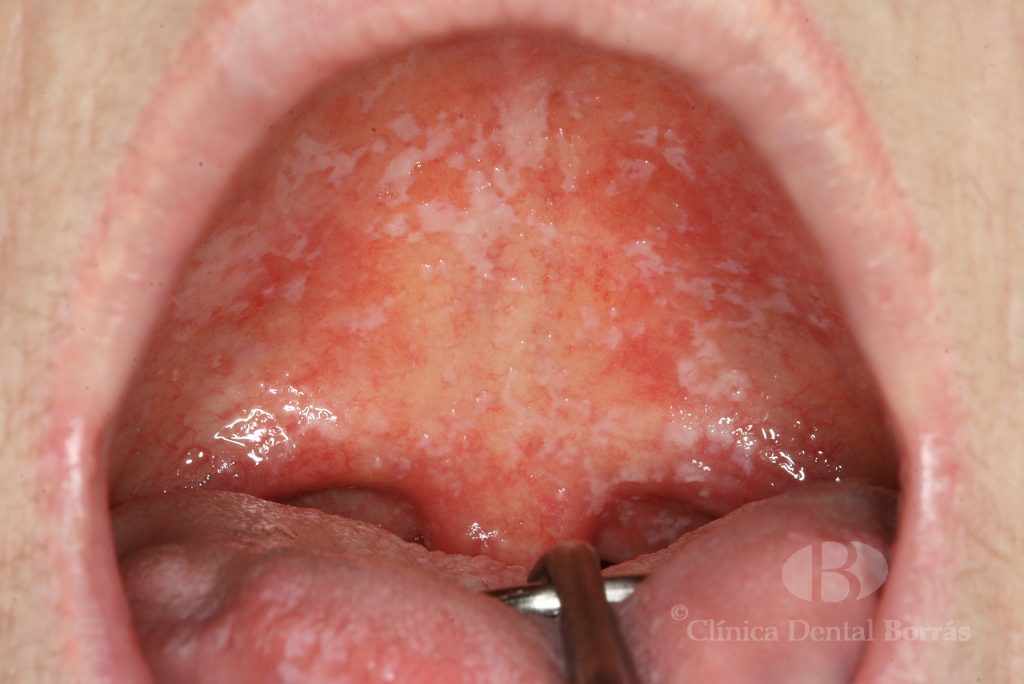

Candidiasis, commonly known as a yeast infection, is an infection caused by an overgrowth of a type of fungus called Candida. The most common species responsible for candidiasis is Candida albicans, but other species can also cause infections. While Candida normally lives in small amounts on the skin and inside the body (such as in the mouth, digestive tract, and vaginal area), an overgrowth can lead to infection, particularly when the body’s immune system or natural balance is disrupted.
Causes of Candidiasis:
Several factors can contribute to an overgrowth of Candida, leading to candidiasis:
- Antibiotic Use: Antibiotics kill both harmful and beneficial bacteria. When beneficial bacteria in the body are killed, it can allow Candida to overgrow.
- Weakened Immune System: People with weakened immune systems, such as those with HIV/AIDS, cancer patients undergoing chemotherapy, or those on immunosuppressive medications, are more susceptible to candidiasis.
- Hormonal Changes: Pregnancy, birth control pills, and hormone replacement therapy can lead to hormonal fluctuations that make the body more prone to yeast infections.
- High Sugar and Refined Carbohydrate Diets: A diet high in sugar and refined carbs can fuel the growth of Candida.
- Diabetes: High blood sugar levels can create an environment conducive to Candida growth.
- Warm, Moist Environments: Areas of the body that are frequently warm and moist, like the genital area, armpits, or under the breasts, are more prone to fungal overgrowth.
- Poor Hygiene or Tight Clothing: Wearing tight, non-breathable clothing and not practicing good hygiene can also contribute to fungal growth in vulnerable areas.
Symptoms of Candidiasis:
Candidiasis can affect different parts of the body, leading to a variety of symptoms depending on where the infection occurs. Common areas include the vagina (vaginal candidiasis), mouth (oral thrush), skin, and gastrointestinal tract.
1. Vaginal Candidiasis (Yeast Infection):
- Itching or irritation in the vaginal area
- Pain or discomfort during sexual intercourse
- Painful urination
- Thick, white vaginal discharge (often resembling cottage cheese)
- Redness or swelling of the vulva
2. Oral Thrush (Mouth Candidiasis):
- White, creamy lesions on the tongue, inner cheeks, gums, and sometimes the roof of the mouth or throat
- Soreness or discomfort in the mouth
- Difficulty swallowing
- Cracked or red areas at the corners of the mouth
3. Skin Candidiasis:
- Red, itchy rashes, often in skin folds (armpits, under the breasts, groin, etc.)
- Painful or inflamed skin lesions
- Cracked skin or blisters in affected areas
4. Systemic Candidiasis (Invasive Candidiasis):
- This more severe form of candidiasis can occur when the infection enters the bloodstream and spreads throughout the body.
- Symptoms may include fever, chills, low blood pressure, and organ failure.
- It can be life-threatening and requires immediate medical attention.
Effects of Candidiasis:
While localized candidiasis (like vaginal or oral infections) can usually be managed with treatment, untreated or recurrent infections can lead to significant complications:
- Chronic or Recurrent Infections: Recurrent infections can be frustrating, especially if the underlying causes (e.g., immune system issues, diabetes, or diet) aren’t addressed.
- Discomfort and Pain: The symptoms can cause significant discomfort, especially in sensitive areas like the genitals or mouth.
- Systemic Infection: If candidiasis spreads beyond local areas to the bloodstream or organs, it can become an invasive and life-threatening condition, particularly in immunocompromised individuals.
- Impact on Quality of Life: Persistent infections may affect daily activities, intimacy, and overall well-being, leading to emotional stress.
Treatment for Candidiasis:
Treatment for candidiasis depends on the type of infection, its severity, and the affected area.
1. Antifungal Medications:
- Topical Antifungals: For vaginal or skin infections, topical antifungal creams, ointments, or suppositories are commonly used. These include medications like clotrimazole, miconazole, or terbinafine.
- Oral Antifungals: In more severe or recurrent cases, oral antifungal medications like fluconazole or itraconazole may be prescribed.
- Systemic Antifungals: In cases of invasive or systemic candidiasis, intravenous (IV) antifungal treatments like amphotericin B may be required.
2. Probiotics: Probiotics, particularly those containing Lactobacillus species, can help restore the natural balance of bacteria and yeast in the body, especially after taking antibiotics or in cases of recurrent infections.
3. Lifestyle and Dietary Changes:
- Reducing sugar intake can help limit the food source for Candida.
- Wearing loose, breathable clothing to prevent moisture buildup in affected areas.
- Maintaining good hygiene and drying the skin thoroughly after bathing can help prevent fungal infections.
4. Addressing Underlying Conditions:
- Managing diabetes and maintaining a stable blood sugar level can reduce the risk of candidiasis.
- Avoiding unnecessary antibiotic use and considering alternative treatments, where appropriate, may help prevent fungal overgrowth.
5. Home Remedies (With Caution): Some individuals find relief with natural remedies like:
- Tea Tree Oil: Known for its antifungal properties, tea tree oil can be diluted and applied to the affected area.
- Coconut Oil: Coconut oil has antifungal properties and may help soothe the skin in cases of mild fungal infection.
- Garlic: Consuming garlic or using it topically (in a diluted form) is another remedy thought to have antifungal effects.
However, it’s important to consult a healthcare provider before using these remedies, especially in cases of severe or recurrent infections.
Prevention:
To prevent candidiasis:
- Practice good hygiene, including regular washing and drying of sensitive areas.
- Avoid douching, which can disrupt the natural pH balance of the vagina.
- Wear loose, breathable clothing and cotton underwear to reduce moisture.
- Control underlying health conditions such as diabetes.
- Limit sugar and refined carbohydrate intake to prevent feeding the yeast.
Conclusion:
Candidiasis is a common and treatable condition, but understanding its causes, symptoms, and treatment options is crucial in managing and preventing its recurrence. Whether it’s a simple vaginal yeast infection or a more severe systemic infection, prompt treatment with antifungal medications and addressing any underlying health issues can help restore balance and prevent further complications. If you experience recurrent or persistent symptoms, consulting with a healthcare provider is essential for appropriate diagnosis and care.
 ZUWEI HERBAL PALACE
Leave a comment