
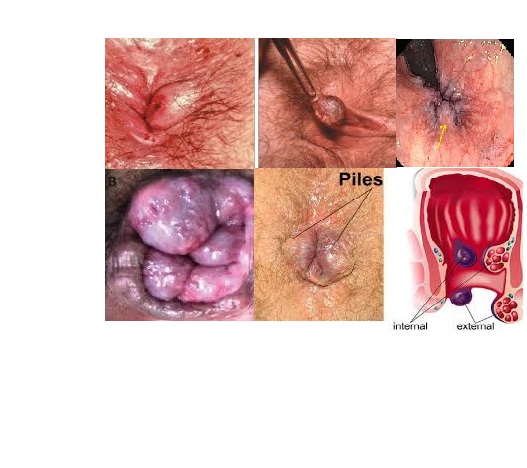
Piles (also known as hemorrhoids) and various anal diseases can cause significant discomfort and health issues if left untreated. Here’s a detailed overview of the causes and effects of these conditions:
1. Piles (Hemorrhoids)
Causes:
- Straining during bowel movements: This is one of the most common causes. It can occur due to constipation, diarrhea, or sitting on the toilet for extended periods.
- Chronic constipation or diarrhea: Both conditions lead to prolonged pressure on the rectum and anus.
- Pregnancy: The increased pressure from the growing uterus can contribute to hemorrhoid development.
- Obesity: Excess body weight can increase pressure on the pelvic veins.
- Age: As we age, the tissues supporting the veins in the rectum and anus can weaken.
- Sedentary lifestyle: Lack of physical activity may contribute to constipation and poor circulation, increasing the risk.
- Diet: A diet low in fiber can result in constipation, which leads to straining during bowel movements.
Effects:
- Pain and discomfort: Hemorrhoids can cause itching, irritation, and pain, particularly when passing stools.
- Bleeding: Bright red blood may appear in the toilet bowl or on toilet paper.
- Prolapse: External hemorrhoids may protrude from the anus, making them difficult to clean and increasing the risk of thrombosis (blood clot formation).
- Mucus discharge: Some hemorrhoids may produce a mucus discharge, which can lead to anal irritation.
- Thrombosed hemorrhoids: Blood clots can form in external hemorrhoids, leading to severe pain and swelling.
2. Anal Fissures
Causes:
- Trauma to the anus: This can occur from passing hard stools, excessive wiping, or anal intercourse.
- Chronic constipation or diarrhea: Both can irritate the anal canal.
- Poor blood flow to the anal region: Can slow down healing and make fissures more persistent.
- Infections or inflammatory bowel disease (IBD): Conditions like Crohn’s disease can increase the risk of anal fissures.
Effects:
- Severe pain during and after bowel movements: This is the hallmark of anal fissures.
- Bleeding: Small amounts of bright red blood may appear on toilet paper.
- Itching and irritation: The wound caused by the fissure can cause itching in the anal area.
- Chronic pain: If untreated, fissures may not heal properly and may lead to long-term discomfort.
3. Anal Abscesses and Fistulas
Causes:
- Infection: An anal abscess is usually the result of an infection of the glands in the anus. The infection may be caused by bacteria entering the glands, often due to conditions like Crohn’s disease, diabetes, or a weakened immune system.
- Injury or anal surgery: These can sometimes lead to abscess formation.
- Chronic inflammation: Conditions like IBD (e.g., Crohn’s disease) can lead to fistulas or abscesses.
Effects:
- Severe pain: An abscess is often very painful, especially when sitting or passing stools.
- Swelling and redness: The area around the anus may become swollen, red, and tender.
- Pus or discharge: Abscesses may drain pus or blood. Fistulas (abnormal connections between the anus and skin) may also drain fluid.
- Fever and fatigue: Infections may cause systemic symptoms like fever or a general feeling of being unwell.
4. Anal Cancer
Causes:
- Human papillomavirus (HPV) infection: The most common cause of anal cancer, particularly certain strains of HPV.
- Weakened immune system: Those with HIV/AIDS or those on immunosuppressive drugs are at greater risk.
- Smoking: Smoking increases the risk of developing anal cancer.
- Age: People over 50 are more likely to develop anal cancer.
- Anal intercourse: This can increase the risk of HPV infection and anal cancer, though the overall risk is still relatively low.
Effects:
- Pain or discomfort in the anal area: Persistent pain or discomfort, particularly when sitting.
- Bleeding: Unexplained bleeding from the rectum, which can appear as blood on toilet paper or in stools.
- Itching or fullness in the anus: Unexplained itching or the sensation of fullness around the anus.
- Change in bowel habits: This could include constipation, diarrhea, or a feeling of incomplete bowel evacuation.
- Lumps or swelling: A lump near the anus or changes in the tissue may indicate cancer.
5. Proctitis
Causes:
- Infections: Bacterial infections (e.g., from sexually transmitted diseases like gonorrhea or chlamydia) or viral infections (e.g., HIV or herpes) can cause proctitis.
- Inflammatory bowel disease: Conditions like ulcerative colitis or Crohn’s disease can cause inflammation of the rectum.
- Radiation therapy: Radiation to the pelvic area, such as for cancer treatment, can lead to radiation proctitis.
- Antibiotic use: Can disrupt the balance of bacteria in the gut, leading to infections that cause proctitis.
Effects:
- Rectal pain: A sharp or dull pain in the rectum, often worsened by bowel movements.
- Frequent bowel movements: A feeling of urgency or the need to pass stools frequently, even if there’s not much to expel.
- Bloody stools: Blood in the stools, which may also appear as mucus.
- Discharge or pus: The rectum may discharge mucus or pus, especially in cases of infection.
Preventive Measures for Piles and Anal Diseases
- Diet: Eating a fiber-rich diet with plenty of fruits, vegetables, and whole grains can help prevent constipation, reducing the risk of hemorrhoids.
- Hydration: Drinking plenty of water helps maintain soft stools and prevents straining.
- Exercise: Regular physical activity helps with bowel function and prevents constipation.
- Good hygiene: Gently cleaning the anal area after bowel movements, avoiding harsh soaps or wipes, and wearing breathable clothing can reduce irritation.
- Avoid prolonged sitting: Taking breaks to walk around, especially if you’re sitting for long periods, can help prevent hemorrhoids and other issues.
Would you like more details on any specific aspect of piles or anal diseases?
 ZUWEI HERBAL PALACE
Leave a comment