
Here is a clear, complete, and easy-to-understand guide to Erectile Dysfunction (ED) — covering causes, symptoms, and effects, written in simple but professional language.
What Is Erectile Dysfunction (ED)?
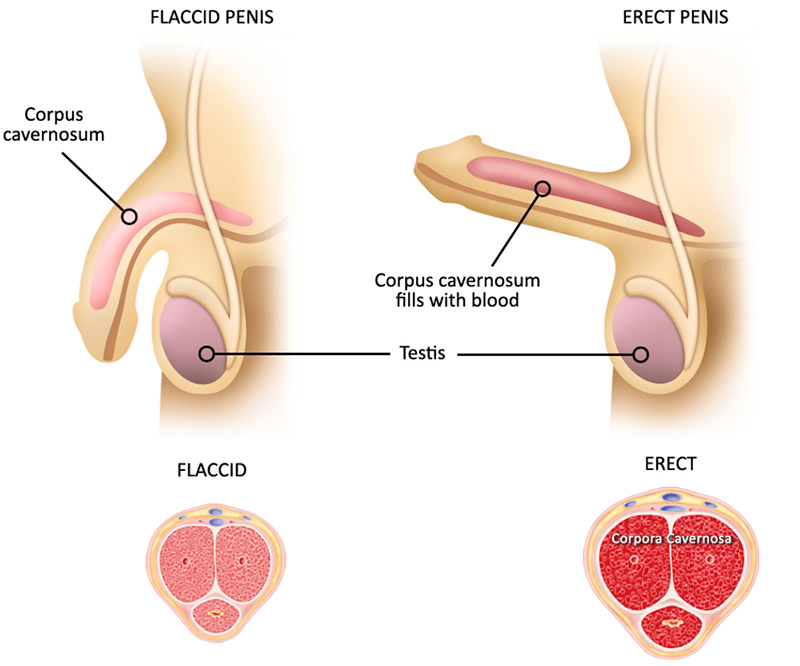
Erectile Dysfunction is the persistent inability to achieve or maintain an erection firm enough for sexual intercourse. Occasional difficulty is normal, but frequent or ongoing problems may indicate ED.
Causes of Erectile Dysfunction
ED usually results from one or a combination of physical, psychological, and lifestyle factors.
1. Physical (Medical) Causes
These affect blood flow, nerves, or hormones:
Poor blood circulation (hypertension, heart disease, clogged arteries)
Diabetes (damages nerves and blood vessels)
Low testosterone levels
Obesity
Chronic kidney or liver disease
Neurological disorders (stroke, spinal injury, Parkinson’s)
Hormonal imbalances
Prostate problems or surgery
2. Psychological Causes
These affect the brain–arousal connection:
Stress and anxiety
Depression
Performance anxiety
Relationship problems
Fear of failure
Low self-esteem
3. Lifestyle-Related Causes
Smoking
Excessive alcohol intake
Drug abuse
Lack of exercise
Poor sleep
Unhealthy diet
4. Medication-Induced Causes
Some drugs can cause ED:
Blood pressure medications
Antidepressants
Anti-anxiety drugs
Hormonal medications
Certain ulcer and prostate drugs
Symptoms of Erectile Dysfunction
Common signs include:
Difficulty getting an erection
Trouble maintaining an erection
Reduced sexual desire (low libido)
Soft or weak erections
Delayed or absent morning erections
Anxiety or frustration during sex
Effects of Erectile Dysfunction
ED affects more than sexual performance.
Physical Effects
Reduced sexual satisfaction
Decreased fertility (in severe cases)
Psychological Effects
Depression
Anxiety
Low self-confidence
Feelings of inadequacy
Relationship Effects
Strained intimacy
Communication breakdown
Emotional distance between partners
Health Warning Sign
⚠️ ED can be an early warning sign of heart disease, diabetes, or hormonal disorders.
When to See a Doctor
You should seek medical advice if:
ED lasts more than 3 months
It occurs frequently
It is associated with pain or hormonal changes
You have diabetes, heart disease, or high blood pressure
Prevention & Management (Brief Overview)
Exercise regularly
Eat a balanced diet
Manage stress
Avoid smoking and excessive alcohol
Get enough sleep
Control chronic illnesses
Seek medical or counseling support when needed.
 ZUWEI HERBAL PALACE
Leave a comment